
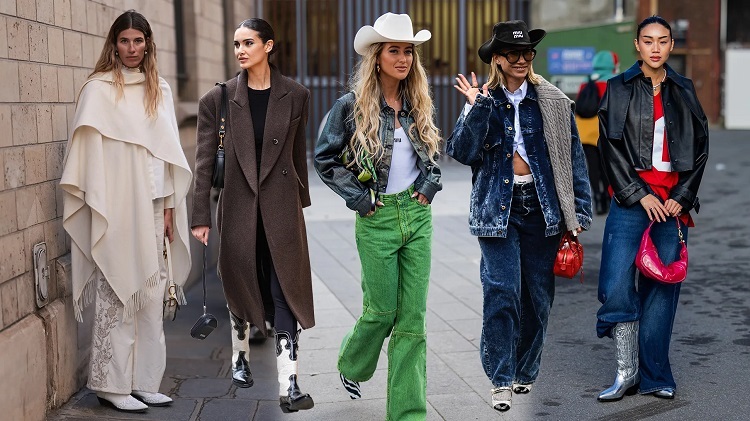
Style has always been a reflection of individual identity and cultural expression. Over centuries, the way people dress has evolved due to societal influences, technological advancements, and shifts in ideology. From historical garments to modern trends, clothing choices not only represent personal taste but also highlight economic, political, and social changes. Understanding how style has transformed over time offers insight into the powerful role it plays in shaping society and self-expression.
Historical Influence on Personal Style
Throughout history, different civilizations have left a mark on the way people dress. Ancient Egypt, Rome, and Greece had distinct styles influenced by climate, trade, and status. In medieval times, garments symbolized hierarchy, with nobility donning intricate, high-quality fabrics while commoners wore simpler materials.
The Renaissance period saw elaborate embellishments, signaling wealth and artistry, while the 18th and 19th centuries brought a shift towards structured silhouettes, corsets, and tailored suits. As the Industrial Revolution enabled mass production, fashion became more accessible, allowing middle-class individuals to partake in emerging trends. This period marked the beginning of style as a social equalizer.
The 20th Century: A Revolution in Clothing Choices
The 20th century was a transformative era for style, witnessing dramatic changes with every decade. The 1920s introduced flapper dresses and looser silhouettes, breaking away from restrictive corsets and embracing freedom. The 1950s brought about polished looks with cinched waists and full skirts, while the 1960s and 1970s embraced bold colors, psychedelic prints, and rebellious attire influenced by counterculture movements.
By the 1980s, oversized silhouettes, power suits, and bold accessories dominated, symbolizing confidence and ambition. The 1990s saw a mix of grunge aesthetics, casual wear, and minimalist styles, reflecting a more relaxed approach to dressing. Each era reflected societal shifts, from women’s liberation movements to the influence of music and cinema.
The Rise of Streetwear and Casual Trends
The late 20th and early 21st centuries witnessed a shift from high-fashion couture to more casual, everyday wear. Streetwear, influenced by hip-hop culture, skateboarding, and sports, became a dominant style. Sneakers, oversized hoodies, and graphic tees blurred the lines between luxury and casual wear. This transformation was fueled by the accessibility of global brands, social media influence, and the growing desire for comfort over formality.
Street style also played a crucial role in redefining individuality. Unlike the dictated trends of past centuries, contemporary style became more fluid, allowing people to mix and match according to their personality rather than following strict fashion guidelines. Platforms like Ncespro highlight how this shift has reinforced the idea that style is a form of self-expression rather than a rigid norm, showcasing diverse fashion choices that embrace uniqueness.
The Influence of Technology on Clothing Trends
Technology has had a significant impact on how people dress and perceive style. From the invention of synthetic fabrics to the rise of e-commerce, technological advancements have redefined accessibility and customization in clothing choices. The introduction of 3D printing, sustainable fabrics, and AI-generated styling recommendations has further revolutionized personal expression through clothing.
Social media platforms such as Instagram, Pinterest, and TikTok have also played a crucial role in shaping trends. Influencers, bloggers, and content creators introduce audiences to new aesthetics, making it easier than ever to discover unique styles. The digital era has not only democratized clothing choices but has also made niche aesthetics more mainstream.
Cultural Identity and the Power of Dressing
Clothing is deeply tied to cultural heritage and identity. Traditional garments such as the kimono, sari, kaftan, and hanbok carry centuries of history and meaning. In many cultures, what people wear reflects their roots, values, and traditions.
Modern interpretations of traditional attire have gained popularity, with designers integrating cultural elements into contemporary clothing. The appreciation for heritage styles has grown, creating a fusion of past and present. This phenomenon highlights how style is not just about appearance but also about preserving and celebrating one’s origins.
The Role of Sustainability in Personal Style
With growing awareness of environmental concerns, sustainable clothing choices have become a crucial aspect of modern style. Ethical brands, upcycling, and slow production methods are gaining traction as consumers become more conscious of the impact their clothing choices have on the planet.
Fast-changing trends previously encouraged overconsumption, but a shift towards mindful shopping is reshaping how people dress. Thrift shopping, rental clothing services, and eco-friendly materials are promoting sustainability without compromising individuality. The move towards responsible style reflects a larger shift in society towards ethical consumerism and environmental responsibility.
The Psychological Impact of Clothing Choices
The way people dress influences not only how they are perceived but also how they feel about themselves. Studies have shown that clothing affects confidence, mood, and even productivity. This concept, known as “enclothed cognition,” suggests that what people wear impacts their psychological state and behavior.
Wearing bold colors can evoke energy and positivity, while tailored pieces can instill a sense of authority. Similarly, comfortable clothing can promote relaxation and ease. The ability to switch between styles based on mood and occasion highlights the strong connection between clothing and emotions.
The Future of Style and Personal Expression
The future of dressing is expected to become even more personalized and inclusive. Advancements in AI and digital fashion are making custom-tailored designs more accessible. Virtual reality is also opening new doors for digital wardrobes, where individuals can experiment with different aesthetics without physical limitations.
Inclusivity in clothing is another crucial development, with brands focusing on diverse sizing, gender-fluid designs, and adaptive clothing for individuals with disabilities. This shift reflects a broader acceptance of self-expression without constraints.
Conclusion
Style is an ever-evolving reflection of personal identity, culture, and societal change. From historical garments to digital trends, the way people dress has always been influenced by technological progress, cultural heritage, and individual creativity. The future of style lies in sustainability, inclusivity, and innovation, allowing individuals to express themselves freely while embracing responsible choices. As clothing continues to evolve, its role in shaping identity and culture remains undeniable, proving that what people wear is more than just fabric—it’s a powerful statement of who they are.
 makupstyle.fashion.blog